
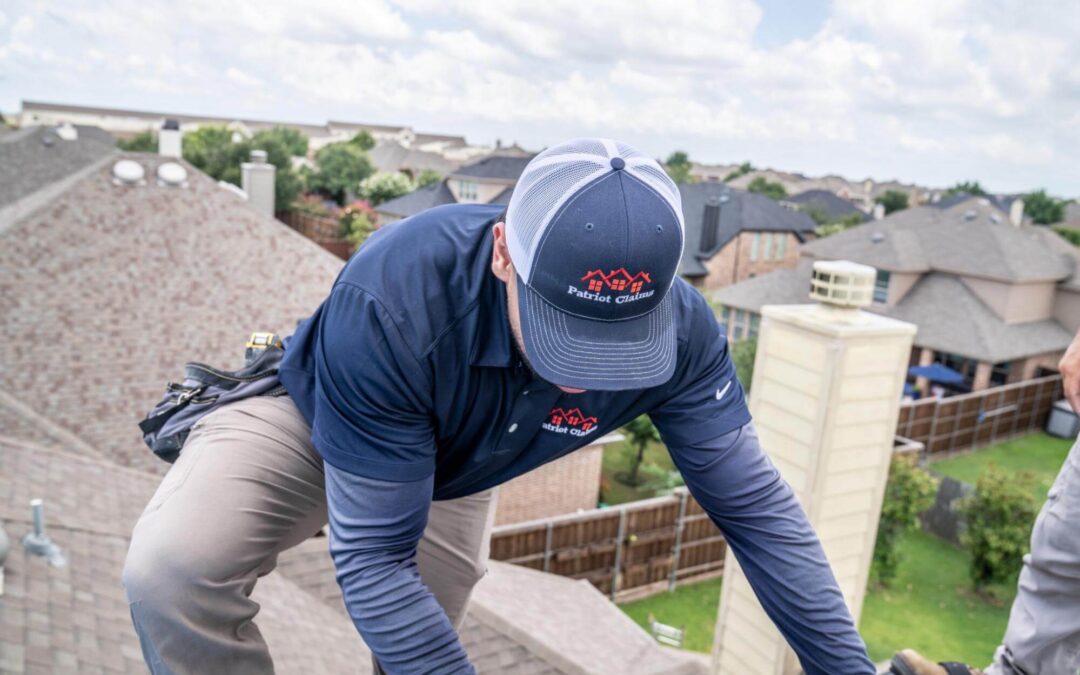
Patriot Claims offers two distinct services for this exact decision. Direct Inspect deploys a certified inspector to the property for a fully independent physical assessment. Virtual Inspect delivers a guided remote inspection via live video call, with a Patriot Claims inspector on-site and the adjuster participating remotely in real time. Neither is a shortcut. Both produce professional, carrier-ready documentation. The question is which one fits the claim in front of you.
Understanding the Two Inspection Types
Direct Inspect: On-Site Property Inspection
Direct Inspect is Patriot Claims’ fully independent on-site assessment. A HAAG-certified inspector travels to the property, conducts a complete physical evaluation, and delivers a comprehensive report without the adjuster present. The process covers full exterior and interior access where applicable, 150-plus high-resolution photos, precise measurements, and written findings, all compiled and returned within 24 to 48 hours.
Direct Inspect is built for claims that require the most complete, defensible documentation available. HAAG-certified inspectors evaluate complex roof systems, multi-peril damage, and high-value properties with the same rigorous process carriers rely on for more than 80,000 claims per year.
Virtual Inspect: Remote Property Inspection
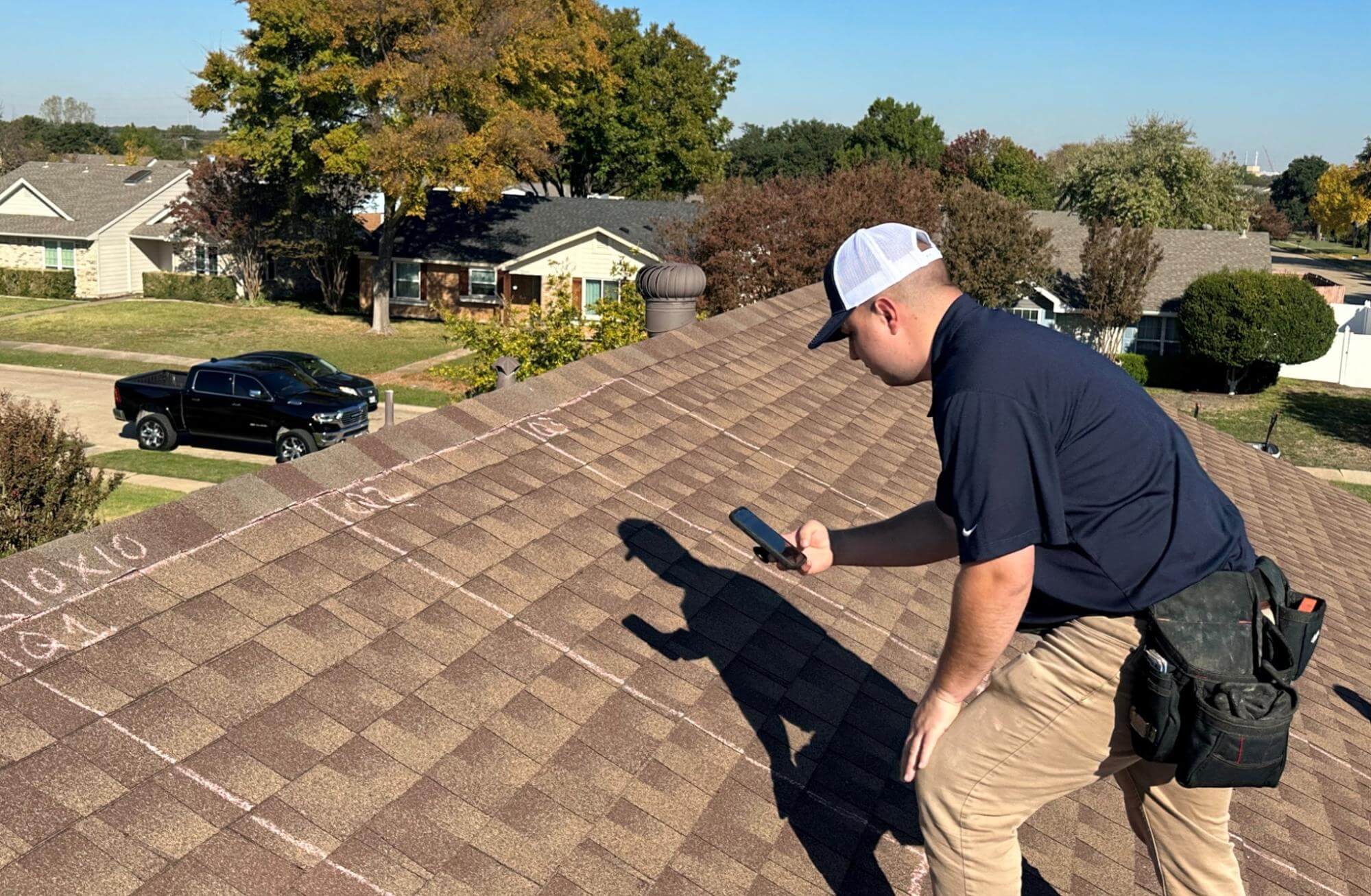
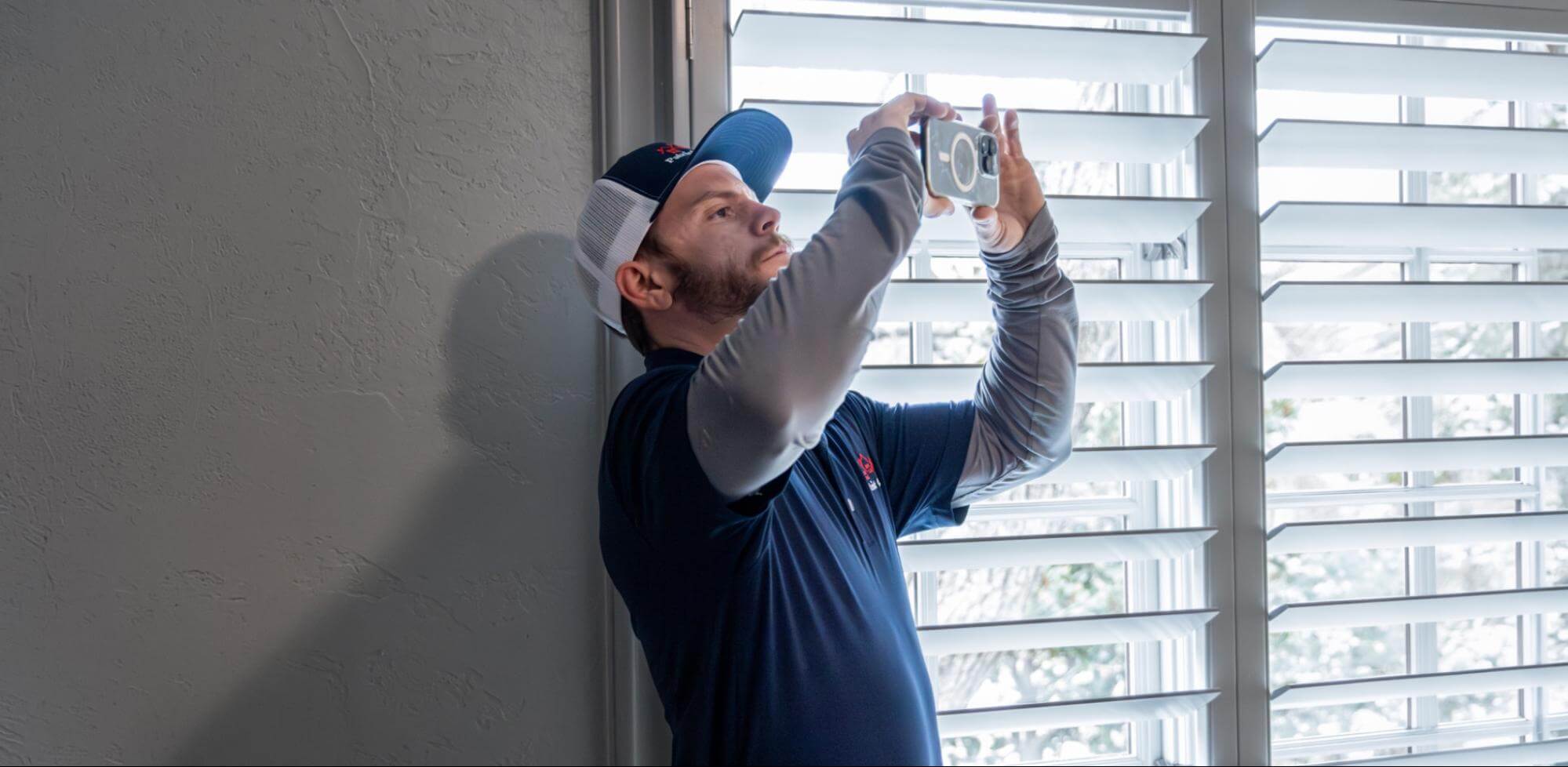
Virtual Inspect is a guided remote assessment conducted via live video call. A Patriot Claims inspector arrives at the property and walks the full assessment in real time while the adjuster joins remotely. The inspector captures photos, takes measurements, and documents conditions live while the adjuster directs the process as needed, with the same visibility they would have if they were standing on the property.
Virtual Inspect is built for specific situations: when speed is the priority, when physical access creates delay, or when the damage scope is already well-defined. It is a professional service for defined scenarios, not a substitute for on-site inspection when the claim demands the full process.
When to Deploy a Direct Inspect (On-Site)
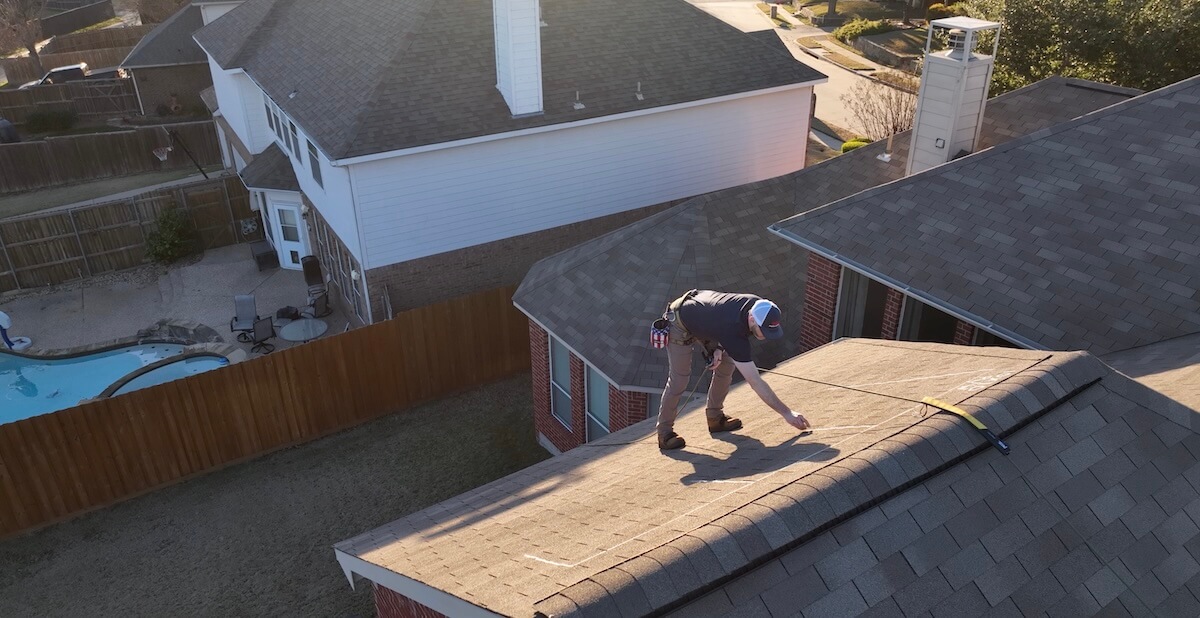
Large hail or CAT events. Significant weather events mean increased damage complexity, multiple impact types, and variable damage density across the property. That requires an inspector on-site with full access to document everything. CAT deployment is a core function of Direct Inspect, and the documentation it produces is what supports accurate, defensible claim resolution at scale.
Steep, complex, or multi-level roof systems. Complex roof configurations introduce more variables than a video call can capture. A certified inspector on-site evaluates pitch, penetration points, flashing conditions, and layered damage in ways that remote collaboration cannot replicate.
Disputed or likely-to-be-challenged claims. Any file with a history of disagreement, high policy limits, or a damage type that tends toward dispute needs Direct Inspect. Defensible documentation is built during the physical inspection, not assembled after the fact.
High-value residential or commercial properties. When stakes are high, documentation depth must match. High-value claims require the comprehensive reporting that only an on-site assessment provides.
First-look inspections with unknown damage scope. Virtual Inspect performs best when scope is already defined. When you don’t know what you’re dealing with, a physical assessment is the right starting point.
Claims with engaged policyholders on-site. A thorough, visible on-site process builds policyholder trust at a moment when it matters most. The policyholder can see exactly how their claim is being documented.
When to Deploy a Virtual Inspect (Remote)
Lower-complexity claims with a defined scope. When damage is visible, limited in extent, and unlikely to involve concealed or multi-system issues, Virtual Inspect supports an efficient file without reducing documentation quality.
Remote or hard-to-reach properties. Travel time is a real variable in claims cycle time. When a property’s location would delay the file and the scope allows a remote assessment, Virtual Inspect accelerates the process without sacrificing documentation standards.
Supplemental documentation needs. When a carrier already holds primary documentation and needs additional verification or a secondary look at a specific area, Virtual Inspect fills that gap efficiently.
Rapid triage situations. When getting a first assessment quickly matters more than a full independent inspection, Virtual Inspect gives adjusters real-time visibility without the travel timeline.
Carrier preference for defined claim types. Some carriers apply Virtual Inspect to specific, lower-exposure claim categories as a deliberate workflow decision. When carrier preference aligns with actual claim conditions, Virtual Inspect is the right deployment.
A note on prevalence: Virtual Inspect is deployed selectively. Patriot Claims does not position it as the faster or cheaper version of on-site inspection. It is a professional service designed for specific, defined scenarios.
The Decision Framework for On-Site vs. Remote Property Inspection
Is the damage potentially complex or difficult to scope remotely? Deploy Direct Inspect. Complexity on-site almost always reveals itself in ways that a live video call cannot capture, and under-documentation has downstream costs.
Is the claim high-value or likely to face a dispute? Deploy Direct Inspect. Defensible documentation is built during the inspection. It cannot be fully reconstructed afterward.
Is the property in a CAT-affected area with multiple potential damage types? Deploy Direct Inspect. Multi-peril events require an inspector who can evaluate the full picture in person.
Is the scope limited, well-defined, and unlikely to require a roof climb or interior access? Virtual Inspect may be appropriate. Confirm that claim parameters match the method before deploying.
Is physical access difficult or delayed by property location? Virtual Inspect can accelerate the file. If the scope allows a remote assessment, do not let travel time slow the claim unnecessarily.
Are you supplementing existing documentation rather than conducting a first assessment? Virtual Inspect may work. Secondary documentation support is a natural fit for the remote format.
When in doubt, default to Direct Inspect. The cost of under-documenting a claim is almost always higher than the cost of a thorough on-site inspection.
Why the Choice Between On-Site vs. Remote Property Inspection Matters Beyond Cost
For policyholders, both Direct Inspect and Virtual Inspect involve certified professionals and produce documentation that meets carrier standards. Neither method cuts corners, and neither produces a lesser report. The distinction is in what each method is designed to handle.
What separates Patriot Claims is that inspection method selection is driven by what the claim requires, not by what minimizes documentation effort. That standard is what makes Patriot Claims reports defensible, and it is why carriers across the country trust Patriot Claims with more than 80,000 claims per year. HAAG-certified inspectors conduct every assessment, and the same documentation standards apply regardless of which method is deployed.
Frequently Asked Questions
What is the difference between on-site and remote property inspections for insurance claims?
When should adjusters use a Direct Inspect instead of a Virtual Inspect?
Can a Virtual Inspect replace an on-site inspection?
How quickly does Patriot Claims complete an on-site property inspection?
Are Patriot Claims inspectors certified for both on-site and remote inspections?
Does Patriot Claims cover CAT events and large-scale deployments?
Not sure which is right for your claim? Patriot Claims’ team can help you match the method to the situation.