
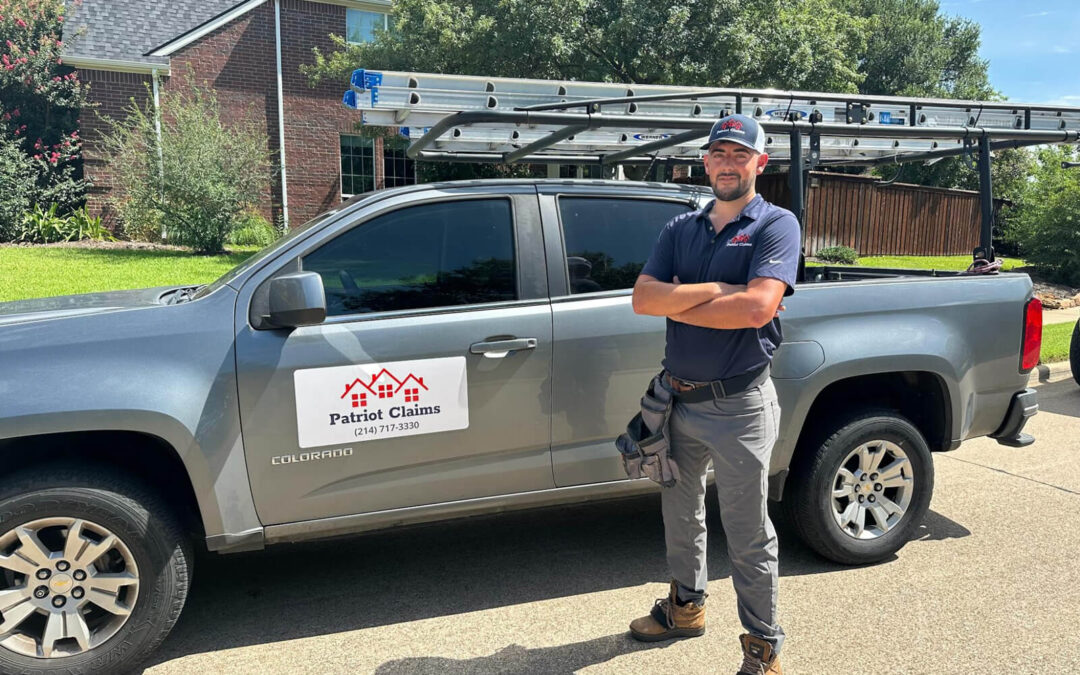
If you’ve been searching for what this role actually involves, this guide gives you the real picture – what a typical day looks like from start to finish, what the work genuinely demands, and what working with Patriot Claims specifically offers technicians in the field.
If you’re ready to skip ahead, Patriot Claims is actively recruiting ladder assist technicians – see open roles here – but the rest of this guide is worth reading first.
What Is a Ladder Assist Technician?
When an insurance adjuster arrives at a property where a claim has been filed, their job is to evaluate what happened and what it means for coverage. The ladder assist technician’s job is to give them the clearest possible picture of the roof’s condition: getting up there, documenting every relevant component systematically, and coming down with a photographic and written record the adjuster can actually work from.
What goes into the inspection report comes directly from what the technician documented on-site. The accuracy and completeness of that record is the entire deliverable – which is what makes this skilled work, not just physical labor.
A Day in the Life of a Ladder Assist Technician
Morning – Reviewing Assignments and Preparing
Your assignments come through from Patriot. Before anything else, you review the day’s schedule: property addresses, what type of damage was reported at each location, and which adjuster you’ll be coordinating with on-site. You prep your kit – camera, safety harness, measuring tools, inspection checklist – and plan your route.
The day’s volume depends on geography and current claim activity. Some days you run two or three properties. After a major hail event or wind storm, CAT deployments can stack assignments across a region for several consecutive days. Volume picks up fast when weather hits, and that’s when the pace intensifies.
On-Site – Working Alongside the Adjuster
You arrive at the property. The adjuster is already there or pulls up around the same time. A brief coordination: confirm the scope, review what was reported, check access conditions for the roof. Then you go up.
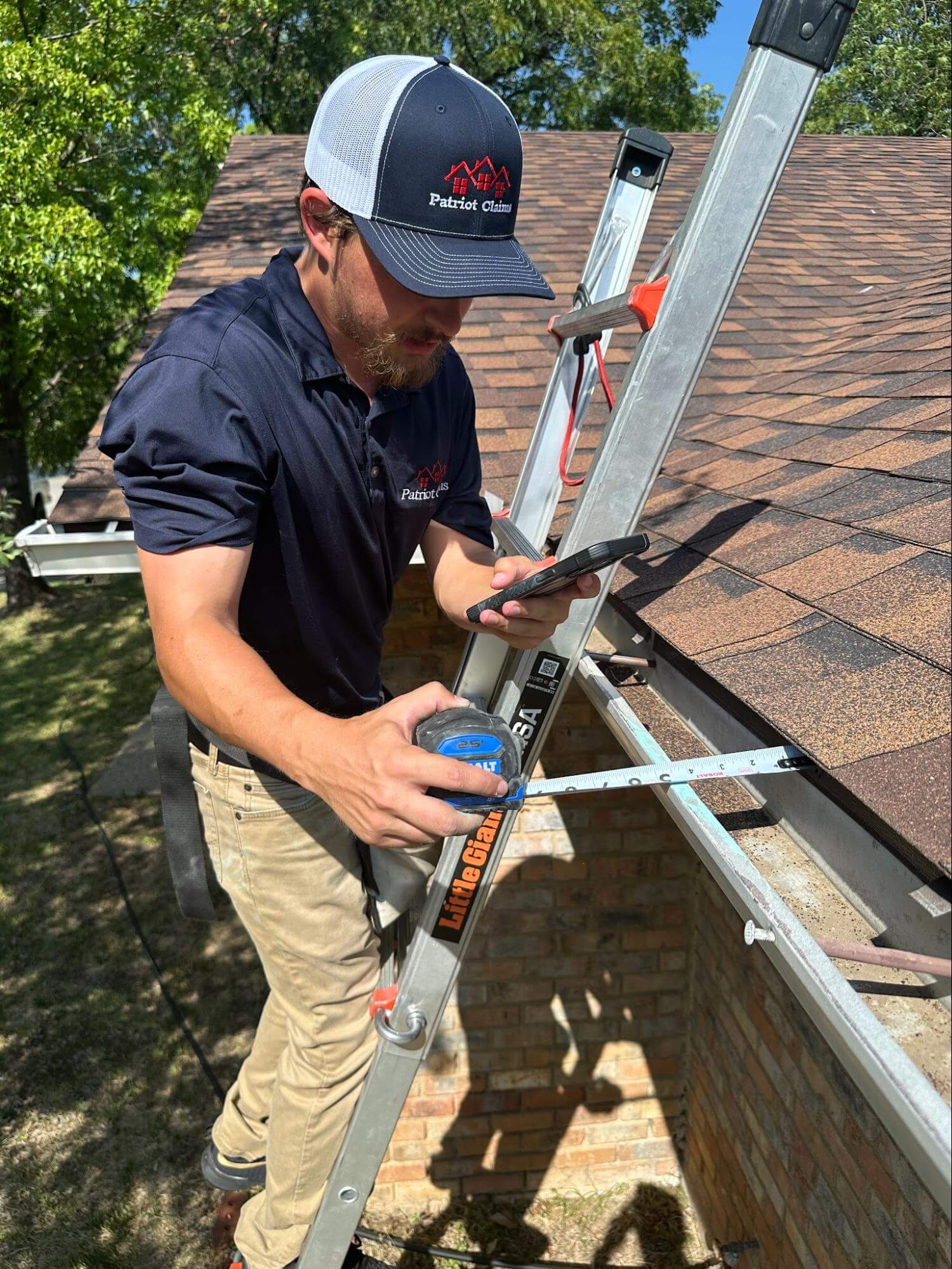
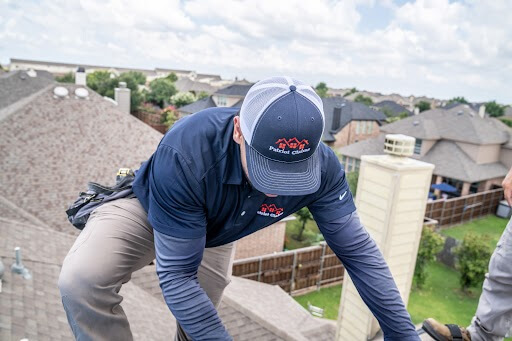
On the roof, the work is systematic. You move through the entire surface methodically – ridge, field, flashing, gutters, penetrations, any visible storm-related damage. Every relevant component gets photographed. Patriot’s standard is 150+ high-resolution images per inspection – not a selection of highlights, a complete visual record of the property. As you work, you communicate what you’re finding to the adjuster below. When you come down, they have exactly what they need to move the file forward.
Documentation – Building the Record That Drives the Claim
Once you’re off the roof, the photos get reviewed and organized. A clean, thorough set of images makes the adjuster’s job clear and gives the carrier a defensible file if the claim is ever contested. What you documented on that roof feeds directly into the inspection report delivered to the carrier. Accuracy here isn’t optional – it’s the product.
Multiple Properties, One Standard
Experienced technicians move through multiple properties in a day, and every one runs the same way. The discipline is showing up to the fourth or fifth property with the same attention as the first. High-volume days are standard after significant storm events, and the technicians Patriot deploys on its largest assignments are the ones who maintain documentation quality regardless of the pace.
If this sounds like the kind of work you’re built for, Patriot Claims is hiring nationwide – apply here.
What It Takes to Be a Good Ladder Assist Technician
Physical fitness and comfort with heights are requirements, not preferences. The work is outdoors year-round, on roofs of varying pitch and condition, in every weather season. If heights are a genuine problem, this isn’t the right role.
Beyond the physical baseline, here’s what separates a good technician from a great one:
Detail orientation. Documentation quality is the entire deliverable. A missed angle or an uncaptured damage point is a gap in the carrier’s file. Good technicians don’t leave gaps.
Reliability. Adjusters are waiting. Carriers are waiting. A technician who shows up on time and delivers a clean record is the one who gets called back – and called first when a CAT event hits.
Communication. Brief, clear, and professional on-site. The adjuster needs to know what you’re seeing without a lengthy back-and-forth. Technicians who communicate well make the entire deployment run smoother.
Comfort with technology. Photographing systematically, organizing image files, and using Patriot’s documentation tools. This isn’t a paperwork-heavy role, but it requires basic tech comfort and consistency across every inspection.
HAAG Certification. Patriot requires all inspectors to complete HAAG Certification within 90 days of starting. HAAG is the professional credentialing standard for insurance property damage identification – recognized across the industry and required by many major carriers. It makes technicians more deployable on complex and high-value assignments.
Why Technicians Choose Patriot Claims
HAAG Certification within 90 days. The 90-day certification requirement means you leave Patriot’s onboarding period with an industry credential – not just company experience, but a qualification the broader insurance inspection industry recognizes and values on its own.
Nationwide deployment and CAT work. When major storm events hit, Patriot deploys at scale. Technicians who want consistent volume and the high-activity assignments that come with CAT seasons will find that work here.
Established carrier relationships. Patriot works with major carriers – Allstate, State Farm, USAA, and others. Assignment volume backed by long-standing carrier partnerships means consistent, quality work – not sporadic or speculative.
Clear standards, no ambiguity. Every Patriot deployment comes with defined expectations: documentation standards, photo counts, turnaround timelines. Technicians who like knowing exactly what good work looks like – and being recognized for delivering it – fit here well.
Ready to get started? See ladder assist technician openings at Patriot Claims.
Frequently Asked Questions
What does a ladder assist technician do?
Do I need roofing experience to become a ladder assist technician?
What is HAAG Certification and why does it matter for ladder assist technicians?
How do I become a ladder assist technician at Patriot Claims?
What is the difference between a ladder assist technician and a roofing contractor?
Patriot Claims deploys certified ladder assist technicians nationwide. If you’re ready to bring precision, reliability, and the right credentials to every deployment – apply now.