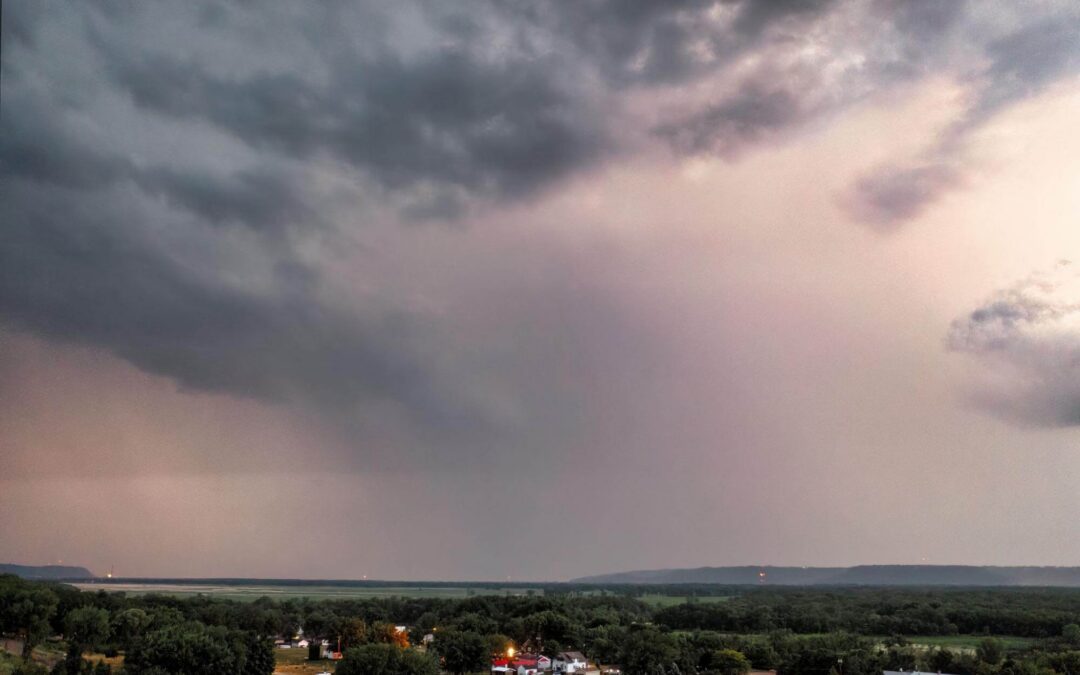
Hail damage is easy to miss and easy to dispute. Unlike wind damage – which often leaves visible tears, lifted shingles, or displaced flashing – hail damage shows up as granular bruising, cracked mat, and soft spots that can be difficult to see from the ground or in a photo. A ladder-assisted hail damage inspection is built around that difference: a technician physically on the roof, checking for the kind of damage that only shows up on close, hands-on inspection. Here’s what to expect.

Why Hail Damage Requires a Different Inspection Approach

Wind damage tends to be visible – torn or missing shingles, lifted seams, displaced flashing. Hail damage is subtler. A hailstone striking asphalt shingles can bruise the mat, crack the surface, or knock loose granules without leaving an obvious visual sign, especially on a roof that’s only a few years old.

That’s why hail inspections lean heavily on touch, not just sight. A technician can press on a suspected hit and feel whether the mat has been compromised – something no photograph, drone or otherwise, can fully replicate. This distinction matters most when a claim comes down to functional damage (damage that affects the roof’s performance and lifespan) versus cosmetic damage (surface marks that don’t affect function) – one of the most commonly disputed points in hail claims.

What a Ladder Assist Technician Documents During a Hail Inspection

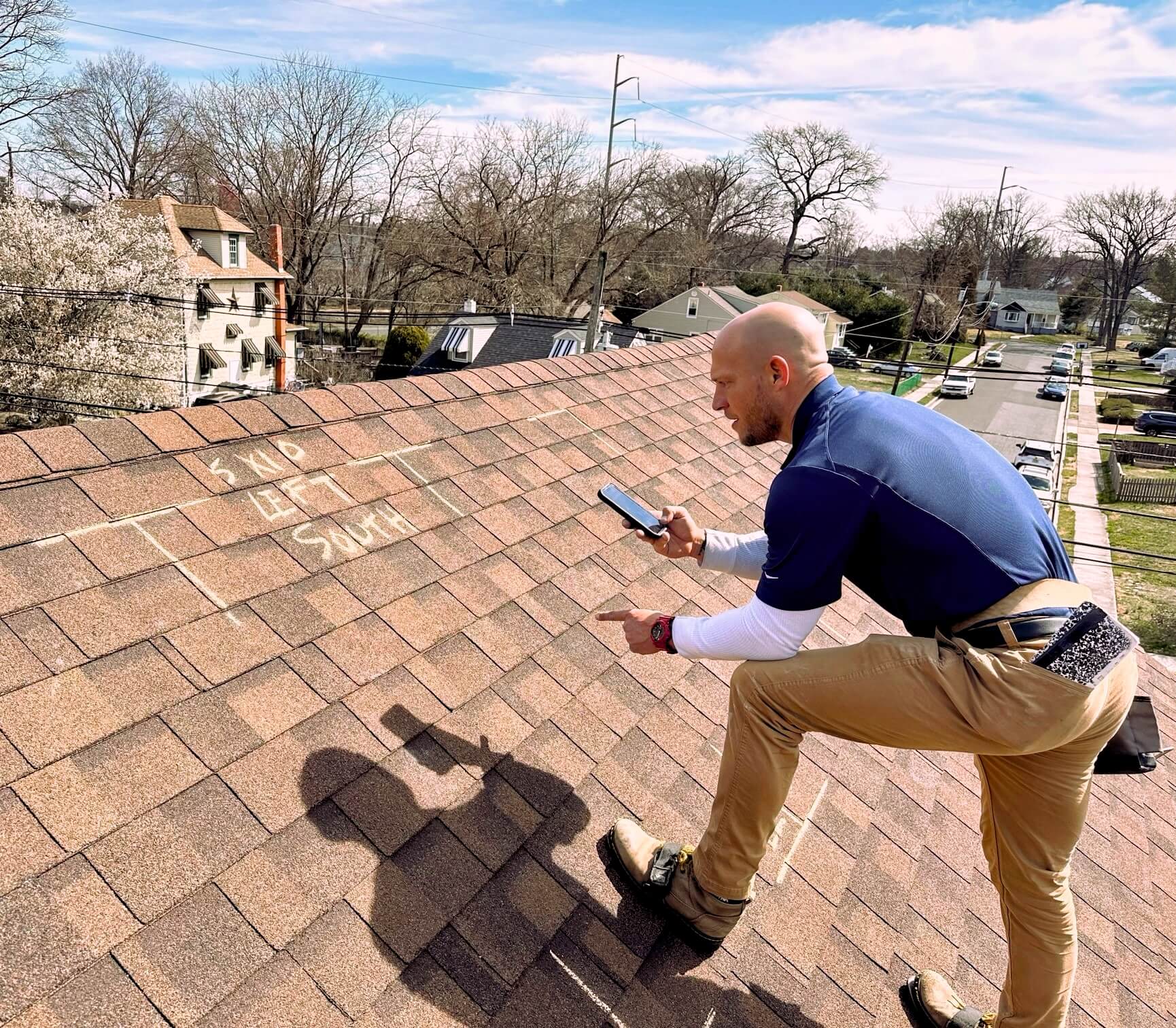
During a hail damage inspection, the technician works facet by facet, checking for:

  • Hail hits on shingles, marked with chalk and measured against a shingle gauge to assess indentation and severity
  • Granule loss and exposed mat, which can accelerate wear even when a hit doesn’t puncture the shingle
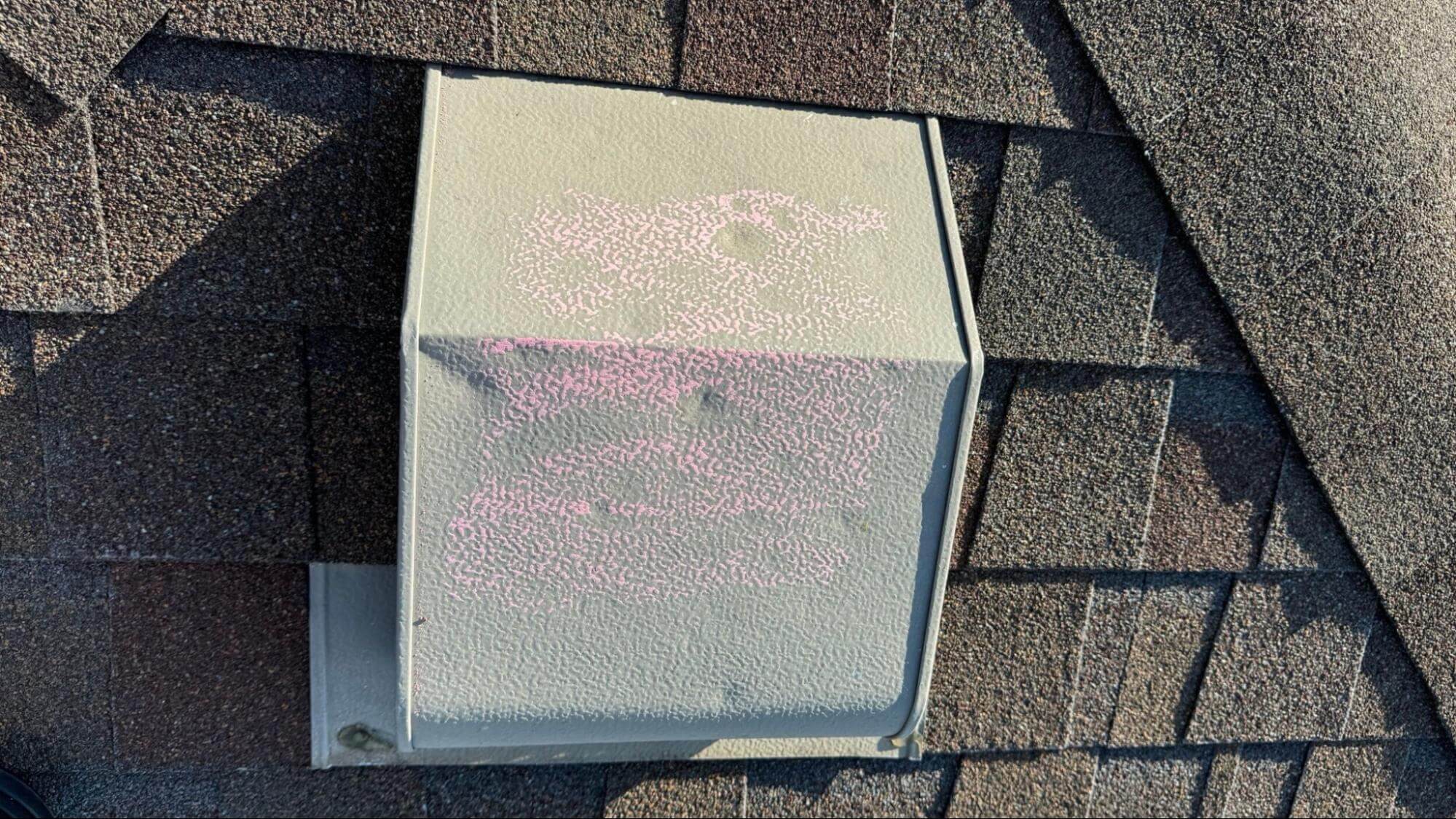
  • Soft metals – flashing, roof vents, gutters, downspouts, and HVAC housings – which often show hail impact more clearly than shingles and help corroborate a storm event
  • Roof facets, pitch, and total roof squares, measured and diagrammed alongside the damage documentation

Each finding is photographed – typically 150+ high-resolution images per inspection – and organized by location and damage type in the final report.
How Ladder Assist Works

Common Hail Damage Disputes and How Documentation Helps

Hail claims are disputed more often than most other storm damage types, usually over whether damage is storm-caused or pre-existing wear, and whether it’s functional or purely cosmetic. Thorough, technician-verified documentation – chalk-marked hits, gauge measurements, and photos of both shingles and soft metals – gives adjusters and carriers a clear, unbiased basis for that determination, rather than relying on a homeowner’s or contractor’s account alone.

How Ladder Assist for Hail Claims Differs from Wind Damage Inspections

Hail and wind often show up in the same storm event, but they leave different evidence and call for a different inspection focus. Wind damage claims typically center on torn or missing shingles, displaced flashing, and lifted seams – documentation that’s often visible without close inspection. For that side of storm damage, see our guide on ladder assist for wind damage claims.

Hail claims require the opposite approach: close, tactile inspection of granular, easy-to-miss damage. If you’re weighing whether ladder assist or a drone-based inspection is the better fit for a given roof, our comparison of ladder assist vs. drone roof inspections breaks down when each method makes sense.

What to Expect During the Inspection Process

  1. Request submitted – the adjuster or carrier submits a service request with the property address and claim details.
  2. Technician assigned – Patriot Claims schedules a local technician, typically within 24–48 hours in most service areas.
  3. Pre-climb assessment – the technician evaluates roof pitch, access points, and surface condition before climbing.
  4. Facet-by-facet hail documentation – every roof section is walked, with hail hits chalk-marked and measured.
  5. Soft metal and accessory check – flashing, vents, and gutters are inspected for corroborating hail evidence.
  6. Report delivery – a complete report with 150+ photos, measurements, and findings is delivered electronically to the adjuster or carrier.

Why Carriers and Adjusters Choose Patriot Claims for Hail Inspections
Patriot Claims works exclusively for insurance adjusters and carriers – never contractors or restoration companies – so hail damage findings are unbiased and defensible. Our technician network covers major metropolitan and rural areas nationwide, with rapid deployment during CAT events when hail claims spike. Learn more about our ladder assist services →
How Ladder Assist Works

Frequently Asked Questions

How does ladder assist identify hail damage on a roof?

A technician physically walks the roof, checking each facet by sight and touch. Hail hits are marked with chalk and measured with a shingle gauge, while soft metals like flashing and vents are checked for corroborating impact marks.

What's the difference between functional and cosmetic hail damage?

Functional damage affects the roof’s performance or lifespan – a cracked mat or compromised shingle, for example. Cosmetic damage is a surface mark that doesn’t affect how the roof performs. Distinguishing between the two is one of the most common points of dispute in hail claims.

Can hail damage be documented without a ladder assist inspection?

Ground-level or aerial photos can capture some visible hail damage, but granular bruising and soft spots typically require a hands-on, tactile inspection to identify accurately.

How is a hail damage inspection different from a wind damage inspection?

Wind damage tends to be visible from the ground or in photos – torn shingles, lifted seams, displaced flashing. Hail damage is often subtler and requires close, tactile inspection to identify accurately.