At Patriot Claims, the standard window from request to completed inspection is 24–48 hours, with same-day availability in many markets and priority scheduling during catastrophe events.
Here is what drives that window, what can stretch it, and what carriers should expect from any ladder assist partner.
What a Realistic Ladder Assist Turnaround Time Looks Like
Patriot works a 24–48 hour scheduling window on standard assignments. Documentation follows the inspection rather than trailing it by days, because the photos and measurements are captured and organized on-site.
Anything longer than 48 hours on a routine single-family roof should come with an explanation attached. Vendors who quote “a few days” without naming a number are describing capacity, not a commitment.
Where the Days Actually Disappear in a Roof Claim
Adjuster Scheduling Delays
An adjuster with a steep or multi-story roof on the route has two options: climb it without the right fall protection, or push it. Most correctly push it. That single reschedule costs the file two to five days and a second trip to the same address.
Return Trips and Re-Inspections
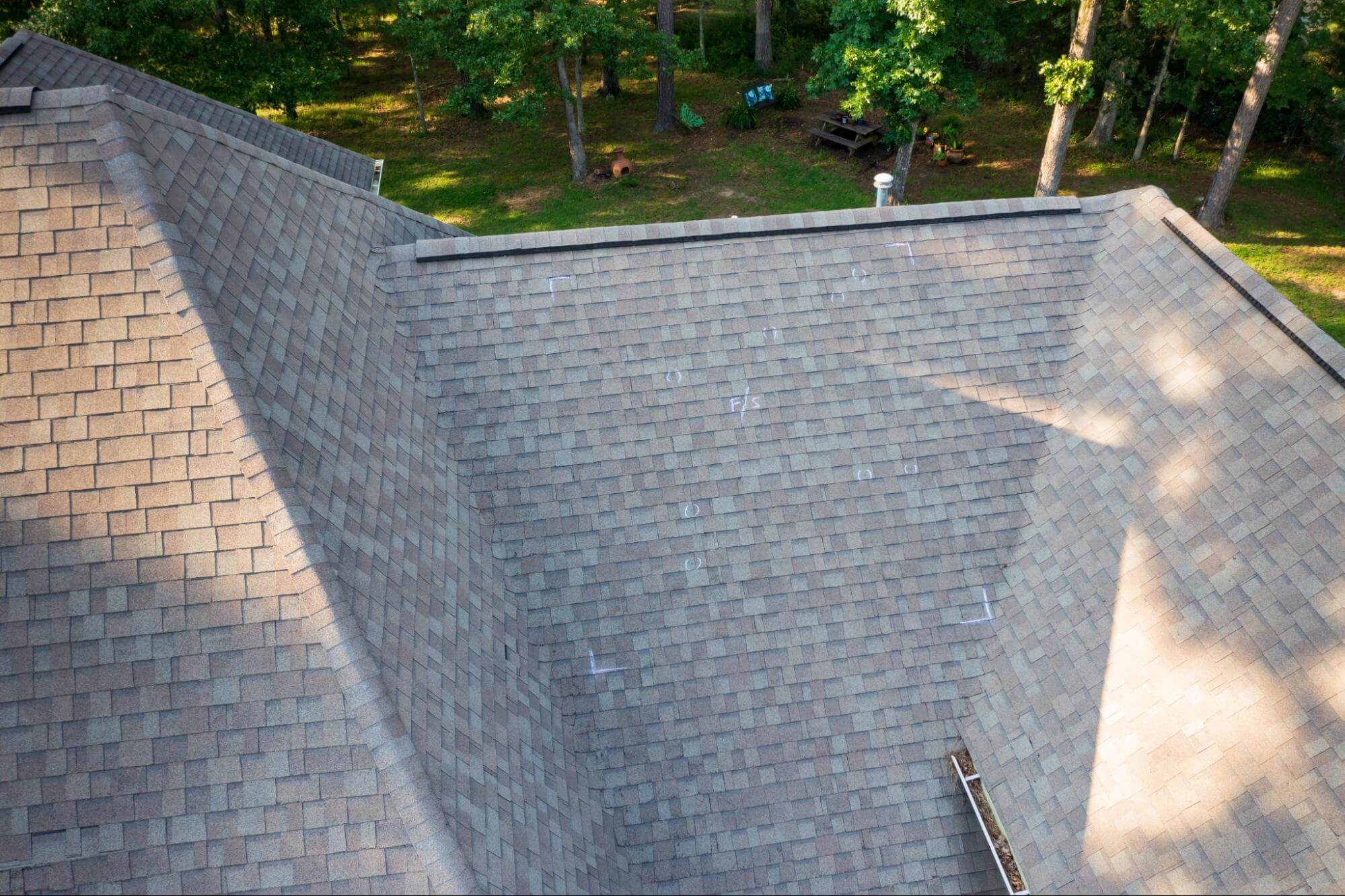
An inspection that captures the wrong slope, misses a chalk-marked test square, or returns photos a desk examiner cannot interpret produces a second visit. Every return trip is a full cycle restarted – travel, scheduling, and policyholder availability all over again.
Reports That Arrive Incomplete
Documentation that reaches the carrier missing measurements or photo context forces a follow-up request. The claim sits while someone chases the gap. Thorough reporting the first time is a turnaround issue, not a quality issue.
How Ladder Assist Scheduling Works at Patriot Claims
- Request received. The carrier or adjuster submits the assignment with the property address and the adjuster’s availability window.
- Technician assigned and confirmed. Routing works from the adjuster’s appointment, so both parties arrive at the property together rather than coordinating on the day.
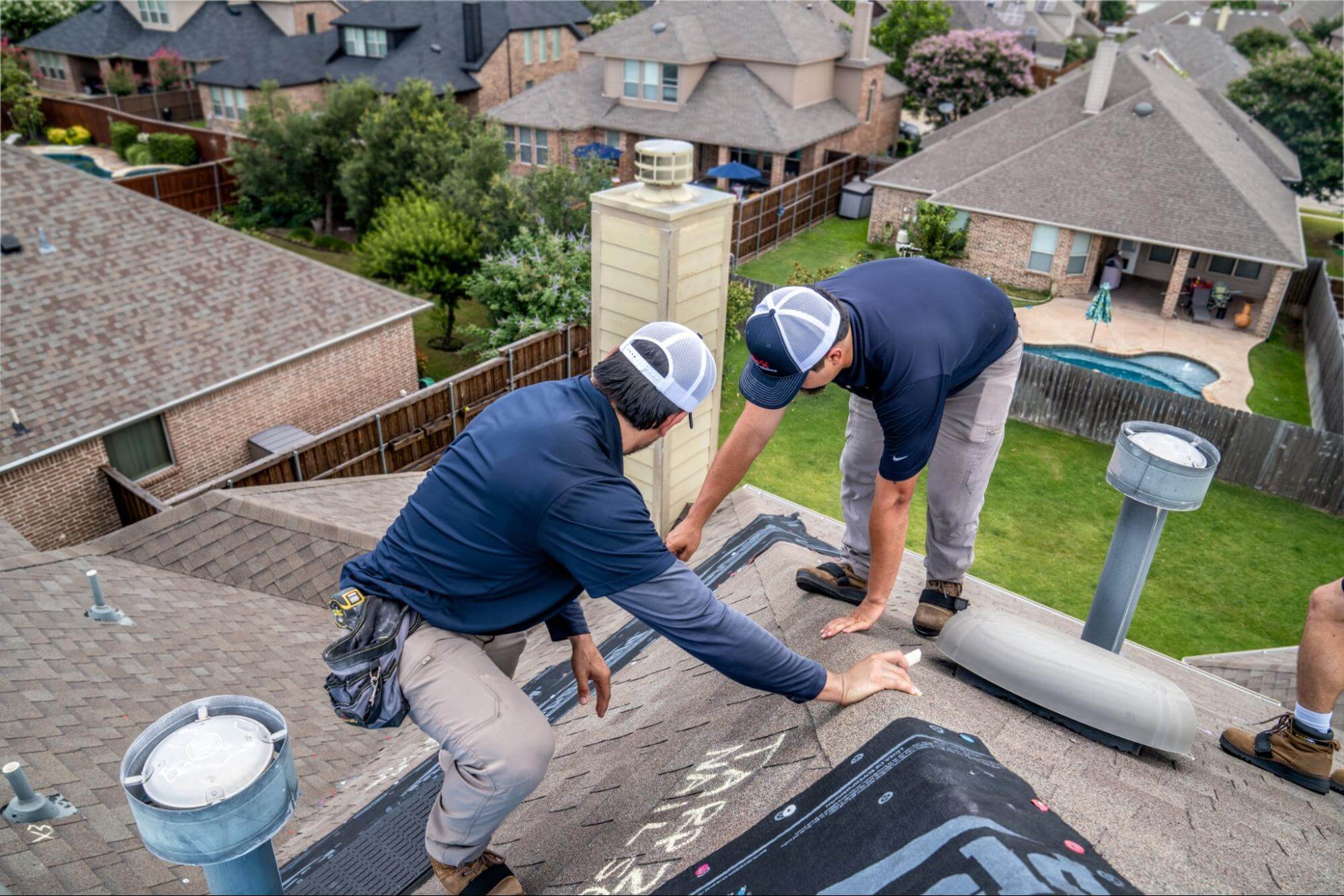
- On-site inspection. The technician handles pre-climb assessment – roof pitch, surface condition, access points – stages fall protection equipment, and climbs. The adjuster stays on the ground and retains the evaluation.
- Report delivered. Photos, measurements, and damage documentation reach the carrier organized by location and damage type.
Patriot provides the trained professional who goes up, not a ladder dropped off at the curb. That distinction is what makes the appointment hold.
What Slows a Ladder Assist Down
Weather Holds
Wet, iced, or wind-exposed roofs do not get climbed. OSHA safety standards and basic judgment both rule that out. A weather hold is a delay you want – the alternative is an injury claim layered on top of a property claim.
Remote and Rural Markets
Properties far from a metro area carry real travel time. Nationwide coverage means a technician gets there; it does not mean the drive disappears. Rural assignments are where the window realistically runs toward 48 hours rather than 24.
CAT Surges
A hail or hurricane event drops thousands of claims into one region in a week, and every carrier in that region is competing for the same field capacity. Patriot deploys technicians into CAT zones and applies priority scheduling, and even then volume affects sequencing. Carriers with programs in place before the storm get sequenced first.
Documentation That Prevents the Second Trip
That volume of documentation also keeps the claim file defensible if the decision is questioned later. Reopened claims are cycle time too, measured in months instead of days.
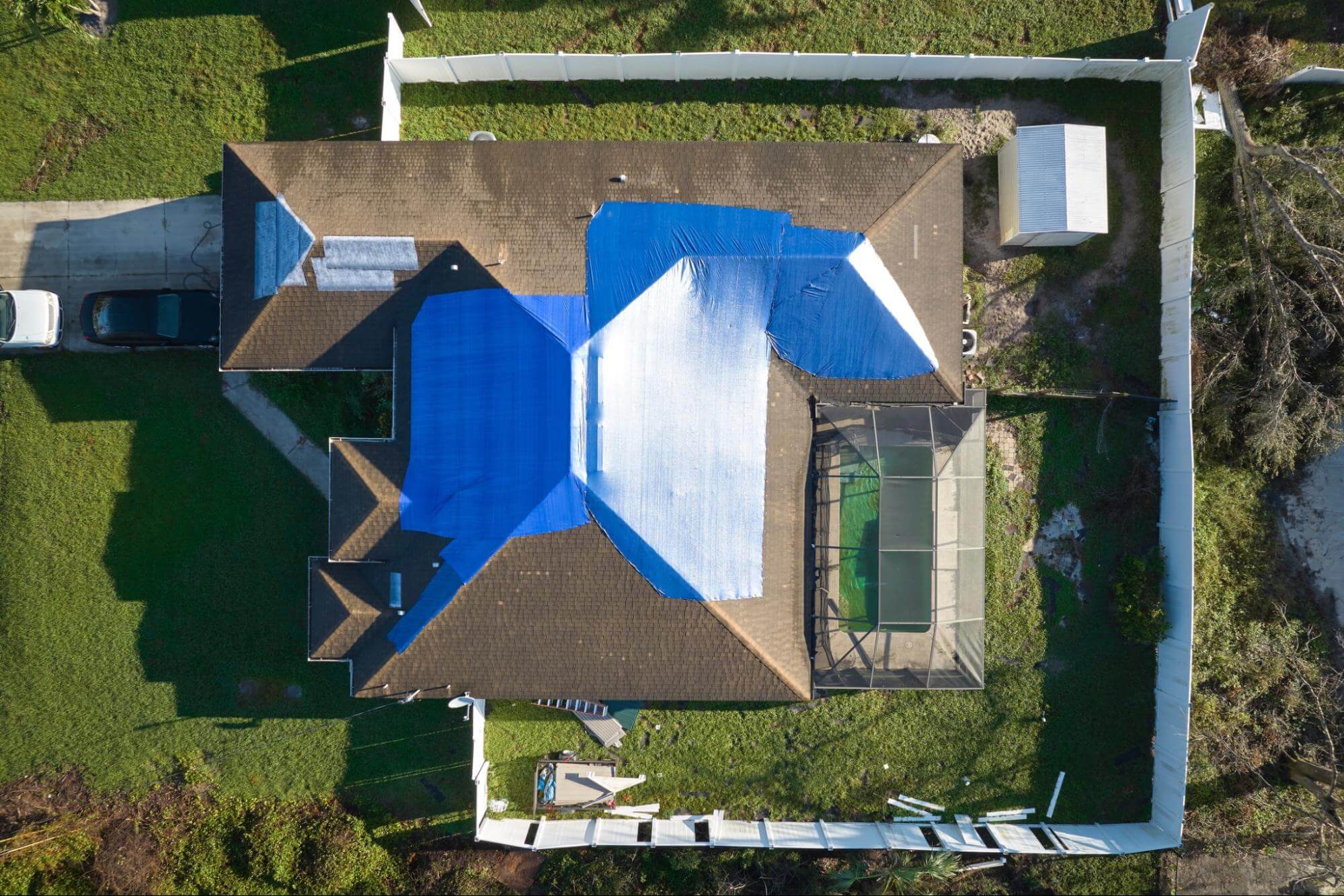
If an inspection reveals an active emergency condition, Emergency TARP Services can be triggered from that same visit rather than scheduled as a separate event.
When Direct Inspect Is the Faster Route
Direct Inspect removes that dependency. The inspector attends alone, completes the full inspection, and the report goes to the carrier. For high-volume programs, routing the right assignments to Direct Inspect and the rest to ladder assist is the single largest turnaround gain available.
What Faster Turnaround Means for the Policyholder
Patriot inspects as a neutral third party. The technician documents what is on the roof – damage and undamaged areas alike – and the carrier makes the coverage decision. A faster, more thorough inspection serves the policyholder exactly as much as it serves the carrier, because an unbiased record is what both sides are relying on.